CFMOTO Nepal Rolls Out Nepali New Year 2083 Offer: Discounts, Cashback & Exclusive Rider Benefits Across Lineup




Rishi Trade Center, the authorized distributor of CFMOTO in Nepal, has unveiled an aggressive and customer-focused New Year 2083 scheme, bringing a mix of direct discounts, exchange bonuses, and premium rider gear.
The limited-time campaign is already live and will run until May 14, targeting both first-time buyers and existing enthusiasts looking to upgrade.
At the center of this campaign is the CFMOTO 250 Dual EFI, which now comes with a cash discount of Rs. 8,300, applicable across both outright purchase and financing options.

Buyers opting for exchange will see even more value, with an additional Rs. 15,000 added to the current market valuation of their motorcycle. Every customer will also receive a premium SMK full-face double visor helmet equipped with an anti-fog visor. The campaign also introduces a lucky draw, where one lucky customer stands a chance to win a cashback prize of Rs. 100,000.
Beyond the dual-sport segment, CFMOTO Nepal has repositioned its naked lineup with revised pricing for the CFMOTO 250NK and CFMOTO 300NK. The new MRPs are set at Rs. 449,900 and Rs. 549,900 respectively, both bundled with a full-face Studds helmet and a CFMOTO-branded protective hoodie.

For adventure enthusiasts, the CFMOTO 450MT in its Zephyr Blue shade receives a more experiential package. Customers opting for this model will get an adventure riding jacket alongside a premium helmet.
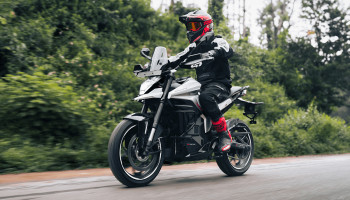
Meanwhile, on the electric mobility side, the ZEEHO AE8 continues with its special MRP of Rs. 449,900 throughout the offer period.
Beyond product and pricing strategies, CFMOTO Nepal is also doubling down on its after-sales ecosystem. Starting from 2083, the company plans to expand its service network across the country, significantly improving accessibility beyond the Kathmandu Valley.
As part of this expansion, 3S concept showrooms are set to be launched in Chitwan and Pokhara by Baishakh 2083, followed by Butwal and Itahari within the fourth quarter of fiscal year 2082/83.
In parallel, a major reduction in spare parts pricing aims to reshape customer perception around ownership costs, particularly addressing concerns about expensive imported components.